

Homemade Fixes: Combatting Common Dental Problems With DIY Solutions
When maintaining a radiant smile, the best remedies are sometimes crafted in your kitchen. We all know that dental visits can be costly and time-consuming, but what if you could tackle some common dental issues from the comfort of your home? From pesky toothaches to stubborn stains, we’ve covered you with easy-to-follow DIY solutions that utilize everyday ingredients. Join us as we explore how simple household items can work wonders for your oral health, giving you the confidence to combat those annoying dental dilemmas without breaking the bank.
Toothaches
A toothache can be one of the most uncomfortable oral health problems, but before reaching for painkillers, you can try several natural remedies at home to ease the pain. Saltwater rinses are a classic option. Mix a teaspoon of salt into a glass of warm water and swish it around your mouth for about 30 seconds. Saltwater helps to reduce inflammation, clean the area around the tooth, and promote healing.
Clove oil can be a lifesaver if you’re looking for something with more numbing power. Cloves contain eugenol, a compound that acts as a natural anesthetic. Dab a small amount of clove oil onto a cotton ball and apply it directly to the painful tooth. The relief can last long enough to get you through the day until you can see a dentist.
Another option is garlic. Known for its antibacterial properties, garlic can help fight off the infection that might be causing the pain. Crush a garlic clove and apply it to the affected area for some temporary relief. Dentist in Beaconsfield may recommend using garlic as part of a healthy diet to promote oral health, although the strong smell may be off-putting to some.
Bad Breath
Bad breath (also known as halitosis) can be embarrassing, but it’s a problem that can often be tackled with a few simple remedies. One of the most practical DIY treatments is hydration. Drinking plenty of water throughout the day helps keep your mouth moist and wash away food particles and bacteria that cause bad breath.
Try a minty mouthwash made from baking soda and water for a quick fix. Just dissolve a half-teaspoon of baking soda in a cup of water and swish it around your mouth. The baking soda neutralizes odors and helps balance your mouth’s pH level, which can reduce bad breath. Another natural remedy is apple cider vinegar. Mix a tablespoon of apple cider vinegar into a cup of water and gargle with it for about 30 seconds. The vinegar helps balance the acidity in your mouth, reducing the bacteria that cause bad breath.
Gum Irritation

If your gums are feeling inflamed or irritated, you can use several home remedies to calm them down. A warm salt water rinse is again your go-to for reducing inflammation and promoting healing. Swishing with salt water can help soothe swollen gums and kill bacteria in the mouth. For a more targeted remedy, try using aloe vera gel. Known for its soothing and healing properties, aloe vera can reduce gum irritation. Apply a small amount of aloe vera gel directly to the affected gums, leave it on for a few minutes, then rinse with water. This can help relieve pain and inflammation.
Tea tree oil is another herbal remedy that can help with gum irritation. Dilute a few drops of tea tree oil in water and use it as a mouth rinse. Its natural antibacterial properties can help reduce inflammation and fight off infection in the gums.
Sensitive Teeth
Sensitive teeth can make eating hot or cold foods a painful experience. If you’re dealing with tooth sensitivity, desensitizing toothpaste is an excellent place to start. These toothpastes contain ingredients that help block pain signals and protect exposed tooth roots. If you’re looking for a more natural remedy, try a clove oil and coconut oil mix. Clove oil can numb the pain, while coconut oil is known for its anti-inflammatory properties.
Mix a few drops of clove oil with a teaspoon of coconut oil and rub it gently onto your sensitive teeth. This combination can provide temporary relief from discomfort. Another remedy for sensitive teeth is green tea. Drinking or swishing with green tea can help reduce tooth sensitivity. Green tea contains antioxidants that can help strengthen enamel and reduce inflammation in the gums.
Dry Mouth
Dry mouth, or xerostomia, can be uncomfortable, but it’s often manageable with simple DIY remedies. Hydration is key—drinking plenty of water throughout the day helps keep your mouth moist. You can also chew sugar-free gum or suck on sugar-free candies to stimulate saliva production.
Coconut oil is another excellent remedy for dry mouth. Swish a tablespoon of coconut oil around in your mouth for a few minutes (a practice known as oil pulling). Coconut oil has antibacterial properties and can help moisturize your mouth while also improving oral hygiene. Honey can also provide relief for dry mouth. It’s a natural humectant, meaning it attracts moisture. A spoonful of honey can help soothe your mouth and keep it hydrated; it has antibacterial properties to promote oral health.…

 What you eat has a direct impact on the health of your lungs. A diet rich in fruits and vegetables is always a good idea. Still, some specific foods can help support respiratory health. For example, ginger has anti-inflammatory properties help soothe sore throats and ease congestion. Garlic is another excellent option as it contains natural antibiotics that can help fight off respiratory infections. In general, you want to avoid foods high in fat and sugar as they can contribute to weight gain and worsen respiratory problems like asthma and COPD.
 Air pollution is a major problem in many cities around the world. But, even if you don’t live in an urban area, you’re still exposed to air pollution daily. Things like car exhaust and cigarette smoke can contribute to poor air quality and worsen respiratory problems. You can avoid air pollution by staying indoors on days when the air quality is poor. You should also keep your windows closed and use an air purifier in your home. But ultimately, you need to go back to nature once in a while and refresh your lungs.
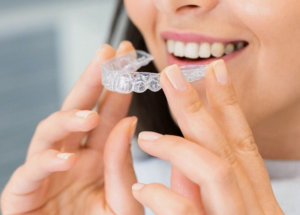 The first step to taking care of your Invisalign is to clean your trays properly. You should start by rinsing your trays with warm water and gently brushing them with soft soap. Make sure you do not use abrasive cleaners as they can damage the material of your trays. Once you have brushed them gently with the soap, rinse them with warm water and dry them with a soft cloth. Though simple, this process will help remove any plaque or bacteria that may have built up on your trays during the day.
 Many users think that since Invisalign is removable, they can eat and drink whatever they want while wearing them. However, this is not the case, as certain foods and drinks can damage your trays. For instance, drinking coffee or tea can cause staining on your trays, while eating sticky or hard foods can crack or break them. Therefore, avoiding eating or drinking anything while you have your Invisalign, except for water, is best.
 Last but not least, one of the most essential tips for taking care of your Invisalign is to visit your orthodontist regularly. It is because they will be able to check your treatment progress and ensure that everything is going according to plan. Additionally, they will be able to answer any questions or concerns you may have about your Invisalign. Not only that, but they can also give you tips on adequately taking care of your Invisalign to achieve the best results possible.
 One of the best ways to reduce hunger and appetite is to eat enough protein. Protein helps to regulate appetite by increasing levels of satiety hormones. In addition, protein takes longer to digest than other nutrients, enabling you to feel fuller for longer. Aim to eat at least 20-30 grams of protein per meal. Good protein sources include lean meats, fish, poultry, eggs, legumes, and dairy.
 When you feel hunger pangs coming on, try to reach for a filling snack instead of something sugary or empty calories. Nuts, seeds, yogurt, and fruit are great examples of snacks that can help tide you over until your next meal.
 How you extract CBD oil from the hemp plant impacts the final product’s genetic makeup. You apply high pressure to the plant to extract the oil, leading to an extract that the companies capture and sell. How you use force separates high quality from low-quality products. If you extract by heat, butane comes into contact with cannabinoids leading to a chemical reaction that alters their genetic profile.



 Functional medicine is a new health approach method that involves both patient and practitioner who work in unison to find the causes of diseases. This process is complex because the functional medicine doctor will scrutinize your health and find the possible causes of the illness. The practice involves several tests on specimens taken from samples in your body to ascertain the root cause of diseases. The healthcare provider will examine the patient’s history, lifestyle, and other underlying factors to develop plans to restore your health.
 In this form of medicine, traditional medicine is combined with alternative treatment approaches. Functional medicine acknowledges the strength of conventional medicine to treat severe illnesses. The doctors tap into all the necessary tools to manage chronic diseases. A combination of approaches and close attention to nutrition and exercise will provide you with the tools needed to attain sustainable wellness.
 Unlike other conventional medicine methods, functional medicine will provide the patients with a better approach to healthcare. The professional practitioners who use the healthcare approach will incorporate exercise, lifestyle, and nutrition to improve how your organs function to prevent illness and create sustainable health for their patients.

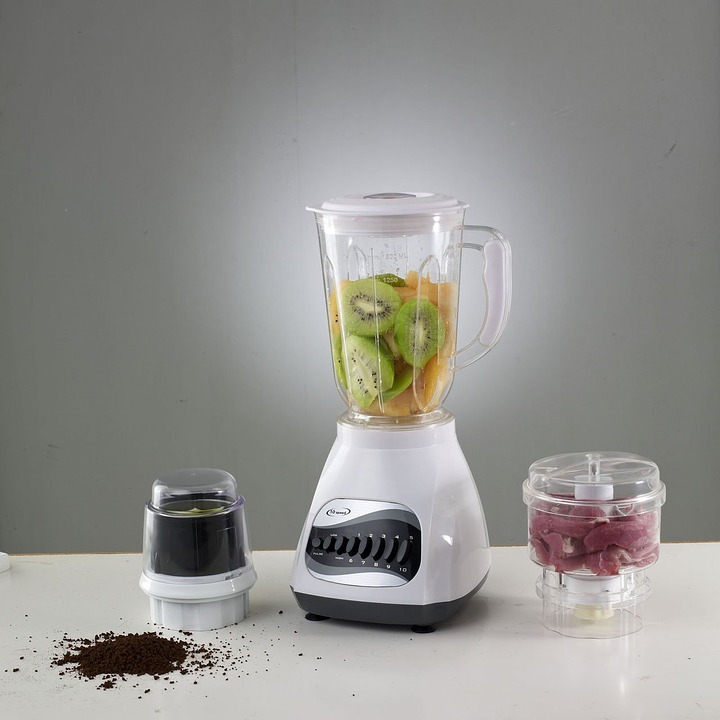
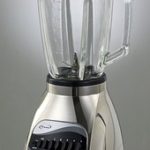 Juicer mixer grinder is a combination of different appliances together. It functions or has features of blending or mixing, making juices or grinding foods which makes it a powerful device in a modern kitchen. It also has other features that include keep you safe from spills by having a locking system, dry grinding, wet grinding and an option of auto shut off if the jar is overloaded. It is, therefore, important to buy a juicer mixer grinder that has features that you are going to use.
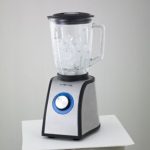 guarantee is a guarantee the product is durable and whenever there is any problem the company will repair it for you at no cost if the warrant is still in use. Do not purchase appliances that have no manufacturer’s warranty. Also, ask to know what the warrant caters for in case the juicer is faulty does provide for primary or minor repairs.