What Awaits You With Composite Bonding

Composite bonding is one of the most requested treatments in cosmetic dentistry. It’s popular because it improves smiles without major drilling or surgery. Many patients in search of subtle yet effective results turn to Composite Bonding Bexleyheath for professional guidance. But what can we expect from getting composite bonding from a professional dentist?

The Initial Consultation

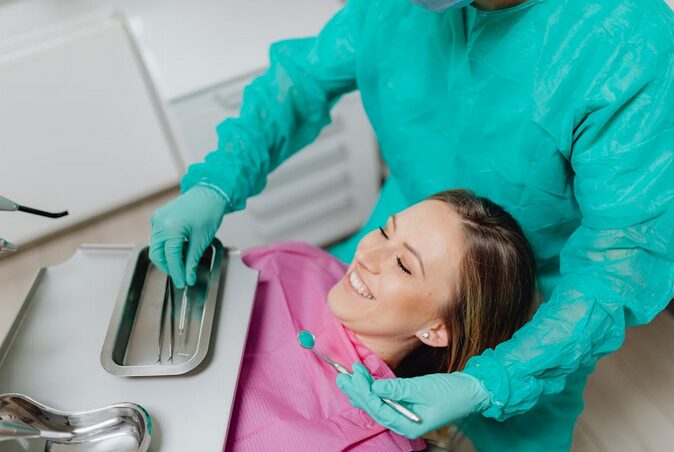
Your journey starts with a conversation between you and your dentist. They’ll examine your teeth, ask about your smile goals, and suggest whether bonding is a good match. This step is important because not all dental concerns can be fixed with bonding alone. During the consultation, you’ll also get an idea of the costs and the timeline involved. Some people might even be able to schedule treatment for the same day, depending on the complexity of their case. Having clear expectations upfront helps you feel at ease.

The Procedure Process

procedure

The actual treatment is straightforward and doesn’t usually require anesthesia. Your dentist prepares the surface of your tooth, applies a resin that matches your natural shade, and then shapes it carefully. A special light hardens the material in minutes. After hardening, the dentist polishes the bonded area so it blends seamlessly with your surrounding teeth. The whole process typically takes less than an hour for one tooth. Patients often leave the clinic surprised by how simple it all feels.

Immediate Results You Can See

One of the biggest advantages of bonding is that the results are instant. Chips, cracks, and gaps look improved the moment you step out of the chair. That quick turnaround makes bonding appealing compared to other cosmetic options that take weeks. The resin is also customizable, so your dentist can adjust the shape or shade as needed. This flexibility means you don’t have to settle for something that doesn’t feel right. Walking out with a smile you like immediately boosts confidence.

Aftercare and Longevity
aftercare

Bonded teeth need regular care just like natural ones. Brushing, flossing, and routine check-ups all help keep them in good shape. Avoiding habits like nail-biting or chewing ice makes the bonding last longer. Over time, bonding may stain or wear down faster than treatments like veneers. That doesn’t mean it’s fragile—it just means occasional touch-ups might be necessary. Patients usually find the upkeep manageable compared to more permanent solutions.

Why Professional Experience Matters

The skill of your dentist plays a huge role in how natural the bonding looks. A professional with experience in cosmetic dentistry can match shades, smooth out imperfections, and create a smile that feels authentic. Think of it like having a sculptor for your teeth. Choosing the right dentist also gives you peace of mind. If you ever need adjustments or repairs, you’ll know who to turn to. Building that relationship with a skilled professional makes the process less stressful.

Composite bonding is a simple yet powerful treatment that can transform your smile in just one visit. From consultation to aftercare, knowing what to expect helps patients feel more confident about their decision. With the right dentist, the results can be natural, long-lasting, and rewarding.…


Homemade Fixes: Combatting Common Dental Problems With DIY Solutions

When maintaining a radiant smile, the best remedies are sometimes crafted in your kitchen. We all know that dental visits can be costly and time-consuming, but what if you could tackle some common dental issues from the comfort of your home? From pesky toothaches to stubborn stains, we’ve covered you with easy-to-follow DIY solutions that utilize everyday ingredients. Join us as we explore how simple household items can work wonders for your oral health, giving you the confidence to combat those annoying dental dilemmas without breaking the bank.

Toothaches

A toothache can be one of the most uncomfortable oral health problems, but before reaching for painkillers, you can try several natural remedies at home to ease the pain. Saltwater rinses are a classic option. Mix a teaspoon of salt into a glass of warm water and swish it around your mouth for about 30 seconds. Saltwater helps to reduce inflammation, clean the area around the tooth, and promote healing.

Clove oil can be a lifesaver if you’re looking for something with more numbing power. Cloves contain eugenol, a compound that acts as a natural anesthetic. Dab a small amount of clove oil onto a cotton ball and apply it directly to the painful tooth. The relief can last long enough to get you through the day until you can see a dentist.

Another option is garlic. Known for its antibacterial properties, garlic can help fight off the infection that might be causing the pain. Crush a garlic clove and apply it to the affected area for some temporary relief. Dentist in Beaconsfield may recommend using garlic as part of a healthy diet to promote oral health, although the strong smell may be off-putting to some.

Bad Breath

Bad breath (also known as halitosis) can be embarrassing, but it’s a problem that can often be tackled with a few simple remedies. One of the most practical DIY treatments is hydration. Drinking plenty of water throughout the day helps keep your mouth moist and wash away food particles and bacteria that cause bad breath.

Try a minty mouthwash made from baking soda and water for a quick fix. Just dissolve a half-teaspoon of baking soda in a cup of water and swish it around your mouth. The baking soda neutralizes odors and helps balance your mouth’s pH level, which can reduce bad breath. Another natural remedy is apple cider vinegar. Mix a tablespoon of apple cider vinegar into a cup of water and gargle with it for about 30 seconds. The vinegar helps balance the acidity in your mouth, reducing the bacteria that cause bad breath.

Gum Irritation

inflammed

If your gums are feeling inflamed or irritated, you can use several home remedies to calm them down. A warm salt water rinse is again your go-to for reducing inflammation and promoting healing. Swishing with salt water can help soothe swollen gums and kill bacteria in the mouth. For a more targeted remedy, try using aloe vera gel. Known for its soothing and healing properties, aloe vera can reduce gum irritation. Apply a small amount of aloe vera gel directly to the affected gums, leave it on for a few minutes, then rinse with water. This can help relieve pain and inflammation.

Tea tree oil is another herbal remedy that can help with gum irritation. Dilute a few drops of tea tree oil in water and use it as a mouth rinse. Its natural antibacterial properties can help reduce inflammation and fight off infection in the gums.

Sensitive Teeth

Sensitive teeth can make eating hot or cold foods a painful experience. If you’re dealing with tooth sensitivity, desensitizing toothpaste is an excellent place to start. These toothpastes contain ingredients that help block pain signals and protect exposed tooth roots. If you’re looking for a more natural remedy, try a clove oil and coconut oil mix. Clove oil can numb the pain, while coconut oil is known for its anti-inflammatory properties.

Mix a few drops of clove oil with a teaspoon of coconut oil and rub it gently onto your sensitive teeth. This combination can provide temporary relief from discomfort. Another remedy for sensitive teeth is green tea. Drinking or swishing with green tea can help reduce tooth sensitivity. Green tea contains antioxidants that can help strengthen enamel and reduce inflammation in the gums.

Dry Mouth

Dry mouth, or xerostomia, can be uncomfortable, but it’s often manageable with simple DIY remedies. Hydration is key—drinking plenty of water throughout the day helps keep your mouth moist. You can also chew sugar-free gum or suck on sugar-free candies to stimulate saliva production.

Coconut oil is another excellent remedy for dry mouth. Swish a tablespoon of coconut oil around in your mouth for a few minutes (a practice known as oil pulling). Coconut oil has antibacterial properties and can help moisturize your mouth while also improving oral hygiene. Honey can also provide relief for dry mouth. It’s a natural humectant, meaning it attracts moisture. A spoonful of honey can help soothe your mouth and keep it hydrated; it has antibacterial properties to promote oral health.…

Tips to Help Improve Your Dental Hygiene

Practicing proper oral hygiene is critical for general health and wellness. Cavities, gum disease, bad breath, and even severe health concerns, such as heart disease, can all be caused by poor dental hygiene. A dental hygienist East Finchley will recommend consistent care and attention to ensure your teeth and gums remain healthy. Here are essential tips to help you enhance your dental hygiene and protect your smile for years.

Brush Properly and Regularly

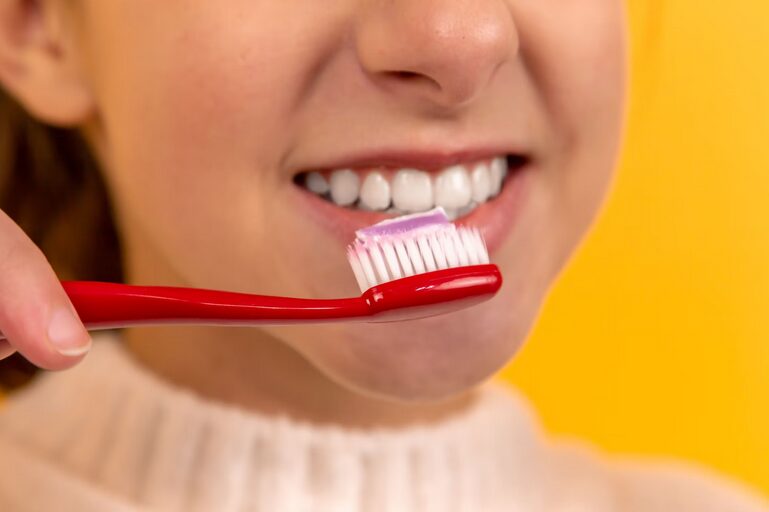
One of the most important aspects of dental hygiene is brushing your teeth properly and consistently. Experts recommend brushing your teeth at least two times each day utilizing a soft-bristled toothbrush and toothpaste. When brushing, cover every inch of your mouth.

Floss Daily to Remove Hidden Plaque

Brushing alone isn’t enough to maintain optimal dental hygiene. Flossing is essential for eliminating plaque and meal particles between your teeth and along the gum line, which your toothbrush can’t access. Flossing daily aids in preventing cavities and gum disease by reducing the buildup of harmful bacteria in those tight spaces.

Use Mouthwash to Kill Bacteria

Use Mouthwash to Kill Bacteria

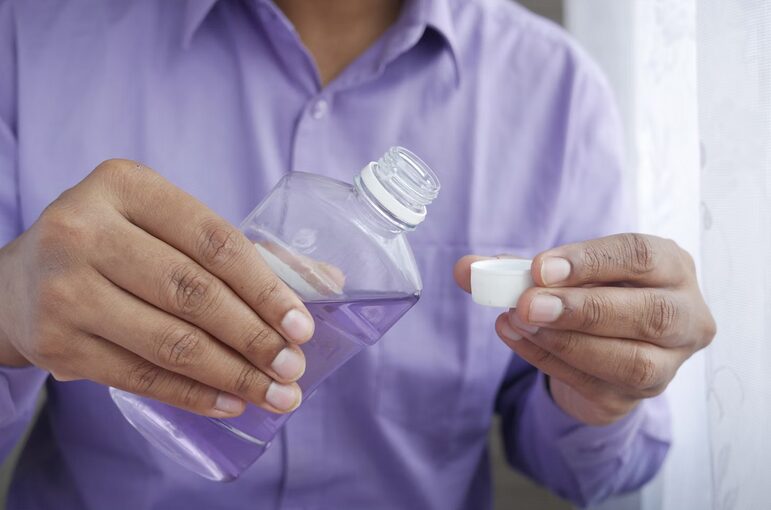
Including mouthwash in your dental care regimen can help preserve your teeth and gums. Mouthwash kills germs, reduces plaque, and freshens the breath. Choose a fluoride-containing mouthwash to help strengthen your teeth and prevent cavities. Using mouthwash is especially useful for getting to parts of your mouth that aren’t easily accessible when brushing. Swish and swirl the mouthwash in your mouth for half a minute to a minute before spitting it out. To get the greatest effects, follow the recommendations on the mouthwash packaging.

Limit Sugary and Acidic Foods

What you eat has a significant impact on your dental health. Sugary and acidic meals and beverages can weaken your enamel and lead to cavities. Bacteria in your mouth feed on sugars, generating acids that erode your tooth enamel and increase the risk of decay. To improve your dental hygiene, limit your consumption of sugary snacks, sodas, and acidic foods like citrus fruits. If you indulge in sugary or acidic foods, rinse your mouth with water afterward or brush to eliminate the acids from your enamel.

Visit Your Dentist Regularly

A dental hygiene practice is incomplete without frequent visits to the dentist. The ADA suggests that you visit your dentist at least twice a year for expert cleanings and exams. Your dentist can detect possible problems before they worsen. During your dental appointment, your dentist will get rid of any plaque or tartar buildup that cannot be eliminated with brushing and flossing. They will also seek to identify symptoms of oral cancer and other underlying issues.

Improving your dental hygiene involves a combination of consistent care, a healthy diet, and regular dental visits. Brushing and flossing daily, using mouthwash, avoiding sugary meals, and replacing your toothbrush on a regular basis can all help keep your teeth and gums healthy. Visiting your dentist for checkups will further enhance your dental health. You can safeguard your smile and live a lifetime of strong, healthy teeth with a little effort.…