
Your smile can reveal more than just happiness; it can also show signs of hidden stress. Grinding teeth, jaw tension, and gum inflammation are subtle indicators that emotional strain might be affecting your oral health. Visiting a trusted dental practice Wilmslow can help you identify these early warning signs and prevent long-term damage. Dentists can recommend treatments and lifestyle adjustments to ease tension and protect your teeth. By paying attention to these small changes, you can maintain a healthy smile while also taking better care of your overall well-being.
Teeth Grinding and Jaw Clenching
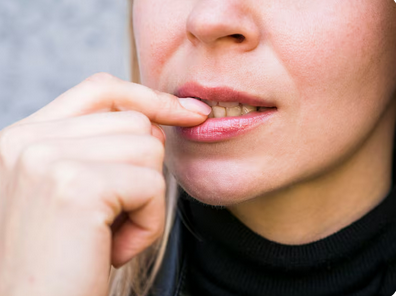
One of the most common signs of stress is teeth grinding, also known as bruxism. Many people grind their teeth subconsciously, often while asleep or during moments of intense concentration. Over time, this habit wears down enamel, causes tooth sensitivity, and leads to jaw pain or headaches. You may notice small chips in your teeth or soreness around your jaw when you wake up. Stress triggers muscle tension, and your jaw muscles are no exception. If left unaddressed, constant clenching can also cause temporomandibular joint discomfort, making chewing or talking painful and tiring.
Gum Inflammation and Bleeding
Stress can weaken your immune system, making your body more vulnerable to inflammation and infection. This includes your gums, which may become swollen, tender, or prone to bleeding when brushing or flossing. Elevated stress levels increase the production of cortisol, a hormone that interferes with the body’s ability to fight bacteria effectively. As a result, plaque builds up faster, and gum irritation becomes more common. Regular dental hygiene and mindful stress management can reduce inflammation and prevent the early stages of gum disease from developing into more severe conditions.
Dry Mouth and Bad Breath

A dry mouth is another subtle indicator of stress. High stress levels can reduce saliva production, leaving your mouth feeling unusually dry. Saliva plays an important role in neutralizing acids and washing away food particles, so when it decreases, bacteria thrive. This imbalance often leads to bad breath and a higher risk of cavities. Many people mistake this problem for poor hygiene, but it may actually stem from emotional strain or medication related to stress. Staying hydrated and chewing sugar-free gum can help stimulate saliva flow while you work on reducing tension.
Canker Sores and Mouth Irritations
Canker sores are small but painful ulcers that can appear inside the mouth during times of high stress. Although their exact cause is not fully understood, they are often linked to a weakened immune response and hormonal changes. Stress can trigger these outbreaks or slow down healing, making eating and speaking uncomfortable. Paying attention to when these sores appear can help you identify stress patterns and triggers. Maintaining a balanced diet, getting enough rest, and using soothing mouth rinses can ease discomfort and help the mouth recover more quickly.
How Stress Impacts Dental Habits
 Stress not only affects your body; it also changes your behavior. People under pressure may skip brushing, floss less often, or eat sugary comfort foods, all of which contribute to dental issues. Even mild stress can disrupt healthy routines and lead to neglect over time. Recognizing these shifts in habits is key to preventing long-term damage. Taking small steps, such as setting reminders to brush or practicing deep breathing before bed, can help you stay consistent with your oral care, even during challenging periods.
Your mouth acts as a reflection of your mental well-being. From jaw tension to gum irritation, these subtle signs remind us that stress affects the body as a whole. Paying attention to your oral health can help you detect early warning signs before they turn into major dental problems. Combining good hygiene with stress-relief habits such as exercise, meditation, or restful sleep can make a noticeable difference. A calm mind leads to a brighter, healthier smile, and caring for both is one of the best ways to protect your overall health.